It’s finally October, and we should be enjoying lovely fall temps and colors. While some of the trees are changing, it’s not necessarily due to the change in seasons. As I write this, the temperature is 84 F (29 C). I look out my window and see mostly green leaves with some colors from the…Read more about Help Your Trees Transition into Autumn[Read More]
Resources for landscapes and gardens in the Midwest
Landscape Report
pruning
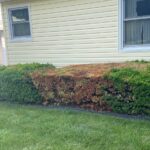
Yews are widely used as foundation plantings in many areas and are valued for their dark, evergreen foliage. The most widely used landscape yews are Japanese yew (Taxus cuspidata) and Taxus x media hybrids, such as Hicksii or Wardii Yew. While few diseases and insects attack yew, there are a few problems to watch for….Read more about What’s Killing My Yews? Top Problems and How to Prevent Them[Read More]
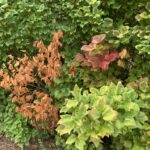
Dieback and canker diseases caused by Botryosphaeria, Sphaeropsis, Diplodia and other closely related fungal pathogens are exceptionally common on woody landscape plants. This group of diseases are often referred to collectively as Botryosphaeria diseases and this article will follow that convention to discuss them as a group. Examine any mature oak tree long enough and…Read more about Botryosphaeria Dieback and Canker[Read More]


Finally, spring has sprung and summer is on its way. The hot days and warm nights are welcome for us, but summer isn’t always so kind to our trees, especially in our urban forest and landscapes. Trees are dynamic living organisms that respond to external stimuli in very strategic ways and each season presents its…Read more about Summer Tree Care[Read More]

Pruning is an important maintenance practice on trees that is discussed a great deal. An essential part of making the pruning cut properly is the ability to identify the parts of a branch. Identification of the branch bark ridge and branch collar are vital to severing the branch in a place that facilitates fast and…Read more about Branch component identification for better pruning cuts[Read More]


Sign-up to receive email news and alerts from Purdue Landscape Working Group:

This is US

For More Information

Purdue Home Page

Purdue Extension

Find your county office